Dengue Fever in Nepal: Symptoms, Prevention, and Treatment During Monsoon
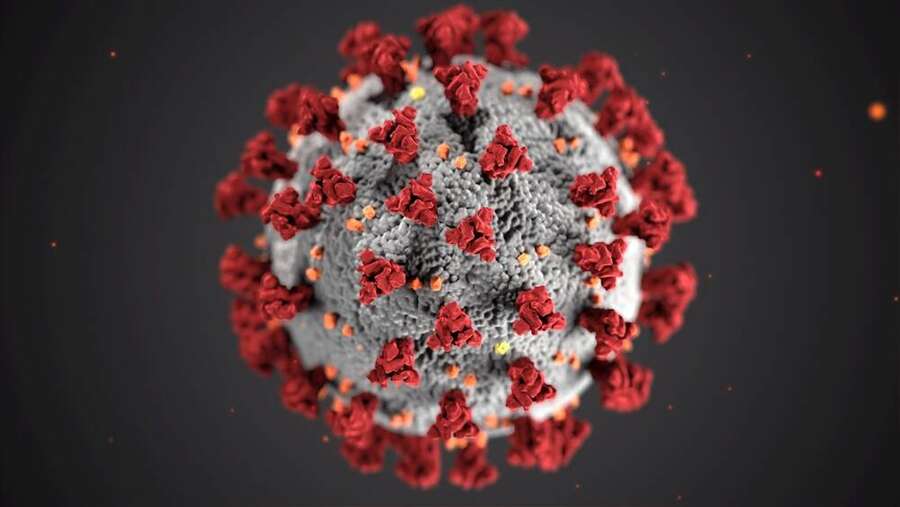
Every year as the monsoon rains arrive in Nepal, so does an unwelcome visitor: dengue fever. What was once primarily a Terai concern has spread throughout Kathmandu Valley and hill regions, with thousands of cases reported annually. Understanding dengue can save your life or that of a loved one.
Dengue in Nepal: The Growing Threat
Nepal has seen a dramatic rise in dengue cases over the past decade. In recent years, the country has reported record numbers of infections, with Kathmandu Valley, Chitwan, Dhading, and Terai districts most affected.
Why the increase?
- Urban expansion creating more mosquito breeding sites
- Warmer temperatures allowing mosquitoes to survive at higher altitudes
- Inadequate waste management and water storage practices
- Increased rainfall creating standing water
- Dense population in urban areas like Kathmandu
What Is Dengue Fever?
Dengue is a viral infection transmitted by the Aedes aegypti mosquito—the same species that spreads chikungunya and Zika. Unlike the mosquitoes that cause malaria (which bite at night), Aedes mosquitoes are daytime biters, most active during early morning (7-9 AM) and late afternoon (4-6 PM).
There are four dengue virus serotypes (DEN-1, DEN-2, DEN-3, DEN-4). All four circulate in Nepal. If you've had dengue once, you have lifelong immunity to that serotype—but infection with a different serotype later can be more severe.
Recognizing Dengue Symptoms
Classic Dengue Fever (Most Common)
Symptoms typically appear 4-7 days after an infected mosquito bite:
- High fever - Sudden onset, 104°F (40°C) or higher
- Severe headache - Often described as "pain behind the eyes"
- Joint and muscle pain - So severe it's called "breakbone fever"
- Nausea and vomiting
- Skin rash - Appears 2-5 days after fever starts, looks like measles
- Mild bleeding - Nosebleeds, bleeding gums, easy bruising
- Extreme fatigue - Can last weeks after fever resolves
Warning Signs of Severe Dengue (Dengue Hemorrhagic Fever)
⚠️ Seek immediate medical care if you have dengue and develop:
- Severe abdominal pain - Persistent, intense stomach pain
- Persistent vomiting - Can't keep fluids down for 24+ hours
- Bleeding - From nose, gums, or in vomit/stool; heavy menstrual bleeding
- Blood in urine or stool
- Difficulty breathing or rapid breathing
- Cold or clammy skin
- Extreme fatigue or restlessness
- Bleeding under the skin - Looks like purple bruises
These warning signs typically occur 3-7 days after fever starts, often as the fever is decreasing. This is the most dangerous phase.
Diagnosis and Testing in Nepal
When to Get Tested
If you have fever during monsoon season (June-September) in Nepal, especially with headache and body pain, get tested for dengue.
Available Tests
- NS1 Antigen Test - Best in first 5 days of fever; widely available in Nepal; results in 15-30 minutes; Cost: NPR 500-1,500
- IgM/IgG Antibody Test - Best after day 5; helps confirm diagnosis; Cost: NPR 800-2,000
- Complete Blood Count (CBC) - Shows platelet count and hematocrit; critical for monitoring severity; Cost: NPR 300-800
Where to Get Tested in Kathmandu
- Government hospitals: Sukraraj Tropical & Infectious Disease Hospital (Teku), Tribhuvan University Teaching Hospital, Patan Hospital - Often provide free or subsidized testing
- Private hospitals: Most hospitals in Kathmandu offer dengue testing
- Pharmacies and labs: Many pharmacies offer rapid dengue tests (NS1)
Treatment: What Works (and What Doesn't)
The Reality: No Specific Cure
There is no antiviral medication for dengue. Treatment focuses on managing symptoms and preventing complications.
Home Care for Mild Dengue
Most dengue cases can be managed at home with:
- Rest: Complete bed rest during the fever phase
- Hydration: Drink plenty of fluids - water, ORS (jeewan jal), fruit juice, coconut water. Aim for at least 8-10 glasses daily.
- Paracetamol for fever: Take as directed, usually 500-1000mg every 6 hours
- ⚠️ AVOID: Aspirin, ibuprofen (Brufen), diclofenac (Voveran) - These can increase bleeding risk!
Monitoring at Home
If managing dengue at home, monitor these daily:
- Temperature (fever pattern)
- Fluid intake and urine output
- Warning signs (listed above)
- Platelet count every 24-48 hours (via blood test)
When Hospitalization Is Needed
You'll need hospital admission if:
- Platelet count drops below 50,000 (normal: 150,000-450,000)
- Warning signs of severe dengue appear
- Unable to maintain oral hydration
- Pregnant, elderly, or have other health conditions
- Live alone with no caregiver
Hospital treatment may include IV fluids, close monitoring, platelet transfusion (if bleeding and very low platelets).
Prevention: Your Best Defense
Personal Protection
- Mosquito repellent: Use products with DEET, picaridin, or oil of lemon eucalyptus. Apply to exposed skin every 4-6 hours during daytime.
- Clothing: Wear long sleeves and pants during peak biting times (morning and late afternoon). Light-colored clothing is less attractive to mosquitoes.
- Window screens: Install or repair screens on windows and doors
- Mosquito nets: Use during afternoon naps, especially for children and pregnant women
- Indoor repellents: Mosquito coils, electric repellents (widely available in Nepal for NPR 50-500)
Eliminate Breeding Sites Around Your Home
Aedes mosquitoes breed in clean, stagnant water. A mosquito can develop from egg to adult in just 7-10 days. Check weekly:
- Flower pots and vases: Change water every 2-3 days
- Water storage containers: Cover tightly; clean and scrub sides weekly
- Coolers and AC drip trays: Empty and clean
- Old tires: Drain or dispose properly
- Roof gutters: Keep clear of debris and standing water
- Plant pot saucers: Empty after watering
- Buckets and drums: Keep covered or turn upside down when not in use
- Discarded containers: Plastic cups, bottles in yard—dispose properly
Community tip: Organize neighborhood cleanup drives before and during monsoon. One house with breeding sites affects the entire community.
Government Initiatives in Nepal
During dengue outbreaks, local municipalities conduct:
- Fogging/spraying operations (though effectiveness is debated)
- House-to-house inspections for breeding sites
- Awareness campaigns
- Free testing at government health posts
Cooperate with health workers and allow inspections of your premises.
Dengue Myths vs. Facts
❌ Myth: Papaya leaf juice cures dengue
✅ Fact: No scientific evidence. While not harmful, it doesn't replace proper medical care. Stay hydrated with regular fluids.
❌ Myth: Platelet transfusion is needed for all dengue patients
✅ Fact: Only needed if platelets are very low AND there's active bleeding. Most patients recover without transfusions.
❌ Myth: Dengue only spreads during monsoon
✅ Fact: Peak is monsoon/post-monsoon, but cases occur year-round in Nepal now.
❌ Myth: Antibiotics help dengue
✅ Fact: Dengue is viral; antibiotics don't work against viruses.
❌ Myth: You can't get dengue twice
✅ Fact: You can get dengue up to 4 times (once per serotype). Second infections can be more severe.
Special Considerations
Dengue in Pregnancy
Pregnant women with dengue need close monitoring as it can lead to:
- Premature delivery
- Low birth weight
- Transmission to baby
- Bleeding complications during delivery
If you're pregnant and develop fever during monsoon, see your obstetrician immediately.
Dengue in Children
Children may not clearly communicate symptoms. Watch for:
- Fever with refusal to eat/drink
- Unusual sleepiness or irritability
- Decreased urination (dry diapers for 6+ hours)
- Crying without tears (dehydration sign)
Recovery and Long-Term Effects
Most people recover from dengue within 2 weeks, but extreme fatigue can persist for weeks or even months. This post-dengue fatigue is common and normal.
Recovery tips:
- Resume normal activities gradually
- Eat nutritious meals to rebuild strength
- Continue adequate fluid intake
- Get plenty of rest
- Avoid alcohol for at least 2 weeks
Follow-up blood tests (CBC) may be done 1-2 weeks after recovery to ensure platelet counts have normalized.
Looking Ahead: Dengue Vaccine
A dengue vaccine (Dengvaxia) exists but has limitations and is not widely available in Nepal. It's only recommended for people who have already had dengue. Research continues on safer, more effective vaccines.
Your Action Plan
Before Monsoon (May-June):
- Stock up on mosquito repellent and coils
- Inspect and repair window screens
- Do a thorough yard cleanup
- Educate family members on symptoms
During Monsoon (June-September):
- Weekly check for standing water
- Use repellent daily during daytime
- Seek immediate testing if fever develops
- Keep hydrated in hot, humid weather
If You Get Dengue:
- Get tested early (NS1 within first 5 days)
- Rest and hydrate aggressively
- Monitor for warning signs daily
- Follow up with blood tests as advised
- Avoid mosquito bites to prevent spreading (yes, you can pass it on!)
Dengue is serious but manageable with early detection and proper care. Stay vigilant during monsoon, eliminate breeding sites, and seek prompt medical attention for fever. Together, we can reduce dengue's impact in Nepal.
Consult Expert Internal Medicines in Nepal
Need personalized medical advice? Consult with our verified specialists.