Nutrition Essentials: Building a Healthy Diet for Your Family
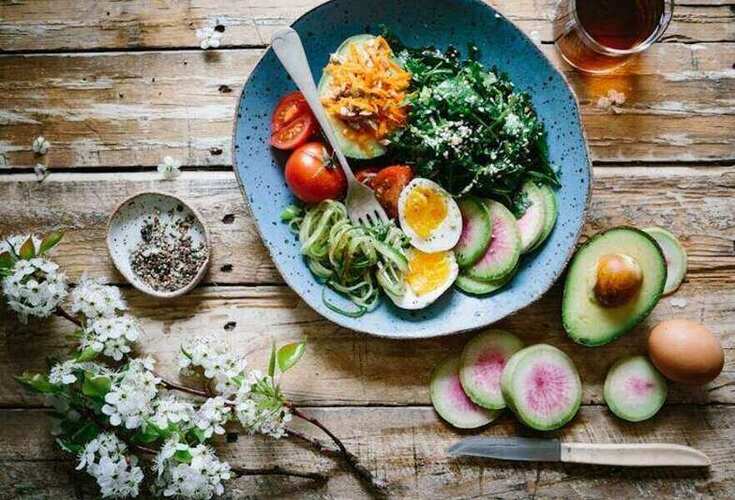
Good nutrition is the foundation of health, yet many Nepali families struggle to meet all their nutritional needs. The good news? You don't need expensive supplements or exotic foods—just knowledge about what your body needs and how to get it from everyday meals.
Understanding Nutritional Basics
Your body needs two types of nutrients:
Macronutrients provide energy and building blocks:
- Carbohydrates: Your body's primary energy source (rice, roti, bread, potatoes)
- Proteins: Build and repair tissues (dal, beans, meat, eggs, dairy)
- Fats: Support cell function and nutrient absorption (cooking oil, nuts, dairy)
Micronutrients support bodily functions:
- Vitamins: Essential for immunity, energy, bone health
- Minerals: Including iron, calcium, potassium for various body functions
The key principle: quality matters more than specific diet trends. Focus on whole, minimally processed foods rather than worrying about "low-carb" or "low-fat" labels.
The Healthy Plate Formula
A simple visual guide for balanced meals:
- Half your plate: Vegetables and fruits (mix of colors)
- Quarter of your plate: Whole grains (brown rice, whole wheat roti)
- Quarter of your plate: Protein (dal, beans, lean meat, eggs)
This traditional wisdom aligns perfectly with dal-bhat tarkari—just ensure vegetables take up the largest portion.
Essential Nutrients Nepalis Often Need More Of
Dietary Fiber
Fiber aids digestion, controls blood sugar, and helps you feel full longer.
How to get more:
- Choose brown rice over white rice when possible
- Eat whole fruits instead of juice
- Include dal and beans daily
- Add vegetables to every meal
- Choose whole wheat roti over refined flour
- Snack on nuts and seeds
Calcium and Vitamin D
These work together for strong bones and teeth. Deficiency increases osteoporosis risk, especially for women after menopause.
Good sources:
- Calcium: Dairy products (milk, yogurt, cheese), dark leafy greens (spinach, saag), sesame seeds, fortified foods
- Vitamin D: Sunlight exposure (15-20 minutes daily), fatty fish, fortified milk, egg yolks
Many Nepalis get adequate sunlight for vitamin D production, but those who spend most time indoors may need supplements.
Iron
Iron deficiency causes anemia—widespread in Nepal, particularly among women and children. Symptoms include fatigue, weakness, and difficulty concentrating.
Iron-rich foods:
- Dark leafy greens (spinach, fenugreek leaves)
- Lentils and beans
- Meat (especially liver, though consume in moderation)
- Fortified cereals
- Dried fruits (raisins, apricots)
Tip: Vitamin C helps iron absorption. Eat iron-rich foods with tomatoes, citrus fruits, or bell peppers.
Potassium
Potassium supports heart, kidney, muscle, and nerve function. It also helps counter sodium's blood pressure effects.
Potassium sources:
- Bananas
- Potatoes and sweet potatoes
- Beans and lentils
- Dark leafy greens
- Beets
- Yogurt
What to Reduce in Your Diet
Added Sugars
Excess sugar contributes to weight gain, diabetes, and heart disease. Most added sugar comes from sweetened beverages, desserts, and processed snacks.
Simple swaps:
- Replace soda and sweetened tea with water or unsweetened tea
- Reduce sugar in homemade chai gradually
- Choose fresh fruit over sweets for dessert
- Read labels on packaged foods
Saturated Fats
While traditional ghee has cultural significance, excessive saturated fat raises cholesterol levels.
Healthier approaches:
- Use ghee sparingly for flavor rather than as primary cooking fat
- Cook with mustard oil, sunflower oil, or olive oil
- Limit deep-fried foods
- Choose lean cuts of meat
- Include plant-based proteins regularly
Sodium (Salt)
Traditional Nepali cuisine can be high in sodium, especially with pickles (achar) and processed foods. Excess sodium raises blood pressure.
Reduce sodium by:
- Using less salt when cooking
- Limiting pickles and processed snacks
- Flavoring food with herbs, spices, lemon juice
- Choosing fresh vegetables over canned
- Reading nutrition labels on packaged foods
Building Healthy Habits
Eat Colorfully
Different colored foods provide different nutrients. Aim for variety:
- Green: Leafy vegetables (spinach, saag, lettuce)
- Red/Orange: Tomatoes, carrots, pumpkin, bell peppers
- Purple: Eggplant, red cabbage, beets
- White/Brown: Cauliflower, mushrooms, potatoes
Practice Portion Control
Even healthy foods contribute to weight gain when portions are too large:
- Eat until satisfied, not stuffed
- Serve appropriate portions rather than bringing serving dishes to the table
- Listen to hunger and fullness cues
- Avoid eating while distracted (watching TV, using phone)
Stay Hydrated
Water is essential for all body functions. Aim for 8-10 glasses daily, more in hot weather or when physically active.
Plan Ahead
Meal planning helps ensure nutritious choices:
- Plan weekly menus including variety of vegetables and proteins
- Shop with a list to avoid impulse purchases
- Prepare vegetables in advance for easier cooking
- Keep healthy snacks available (fruits, nuts, yogurt)
Nutrition Through Life Stages
Children and teens: Need adequate calcium for growing bones, iron for development, and protein for growth. Establish healthy eating patterns early.
Pregnant and nursing mothers: Require extra iron, folic acid, calcium, and overall calories. Prenatal care includes nutritional guidance.
Adults: Focus on maintaining healthy weight, preventing chronic disease, and meeting all nutritional needs through balanced diet.
Older adults: May need less food overall but require nutrient-dense choices. Calcium and vitamin D become especially important for bone health.
When to Consider Supplements
For most people, a balanced diet provides adequate nutrition. Supplements may be appropriate for:
- Diagnosed deficiencies (confirmed by blood tests)
- Pregnant women (prenatal vitamins with folic acid and iron)
- People with limited sun exposure (vitamin D)
- Strict vegetarians/vegans (B12 supplements)
- Those with absorption disorders
Always consult a healthcare provider before taking supplements. More isn't always better, and some supplements can interact with medications or cause harm in excess.
Making It Work in Nepal
Good nutrition doesn't require imported superfoods or expensive specialty items. Traditional Nepali foods—dal, rice, vegetables, yogurt—form an excellent nutritional foundation when consumed in right proportions.
The keys are:
- Emphasizing vegetables and fruits
- Including protein at every meal
- Choosing whole grains when possible
- Limiting added sugars, excessive salt, and fried foods
- Staying physically active
Small, sustainable changes lead to lasting health improvements. You don't need to overhaul your entire diet overnight—start with one or two changes and build from there.
Your family's health begins with what's on your plate. Choose wisely, eat mindfully, and enjoy the journey toward better nutrition.
Consult Expert General Physicians in Nepal
Need personalized medical advice? Consult with our verified specialists.